


A PhD or Doctor of Philosophy is the highest academic degree a student can pursue. The duration of a PhD is usually 3-6 years, depending on the specialization and the university the student is enrolled in. The students will earn their doctoral degree with the ‘Dr.’ title after submitting their dissertation and coursework.
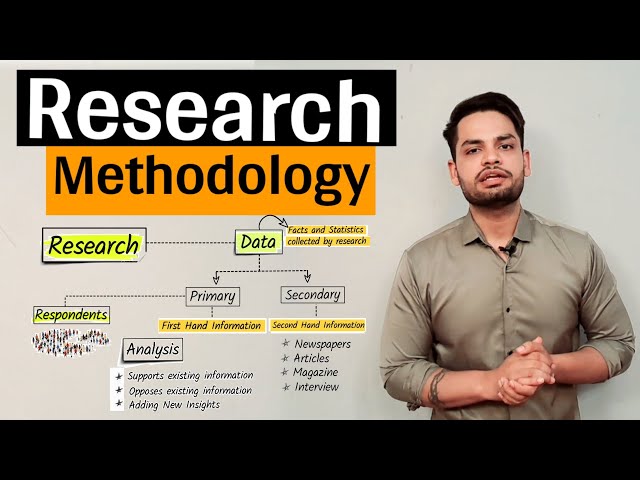
To receive their doctoral degree, the enrolled students are required to submit a dissertation at the end of their program, followed by a viva. To submit their dissertation, the students are required to conduct research on any topic. The students can also ask their mentors to help in selecting a research topic.
Here are the steps to consider while conducting research:
- Identifying and selecting a research topic
- Literature review
- Hypothesis and formulating questions
- Choosing a study design or research methodology
- Collecting data
- Analysing data
- Report writing
What is a research methodology?
A research methodology is a systematic approach to research that involves various steps. The research methodology involves several steps, including data collection and analysis methods. In research papers, the research methodology explains how the research was conducted or which methods were used while carrying out the research
 In a research methodology, these steps are included:
- The types of research you are conducting
- Data collection and analysis
- Tools or techniques used in the research
- Mitigating any specific research-related problem
- Reasons why you choose a certain research method
The researcher has to choose a research methodology according to the sample size, population, geographical area, and other factors.
Types of research methodology
There are three types of research methodology according to the type of research and data.
- Qualitative research methodology- The qualitative research methodology focuses on qualitative (non-numeric) data. It examines the opinions, behaviours, and experiences of the participants. The researcher carries out in-depth research.
There are types of qualitative research methodology:
- Grounded theory- The researcher develops new theories from the data. Grounded theory is a structured yet flexible type of research where little is known about the phenomenon.
- Ethnography- The research tries to blend in with the population to understand their culture with customs, values, and habits.
- Action Research:The researcher tries to solve the practical problem while gaining knowledge simultaneously. It is a cyclic process of Plan, Act, Observe, and Reflect.
- Phenomenological research- The focus is on the lived experience of the participants to understand the people’s attribution to certain phenomena.
- Narrative research- It is a qualitative research approach where the researcher learns about human experiences through their stories or narration.
- Quantitative research methodologyQuantitative research focuses on collecting and analyzing numerical data to identify patterns and trends
Types of quantitative research
a)Descriptive research- Aims to describe the characteristics of the population or phenomenon, it answers the questions of “what” rather than “why”.
b) Correlational research-This research examines the correlation between two or more variables.
c) Casual-comparative research- The causal-comparative research is also known as ex-post facto research. It investigates the cause-and-effect relationship between the various variables in the already existing groups that differ in variable interest.
d) Experimental research- Manipulation of two or more variables (independent variables) to observe the effects on another variable (dependent variable) while controlling for extraneous factors.
- Mixed research methodology: The mixed research methodology characteristics of both qualitative and quantitative research methodologies. It involves the collection of data, analysis, and integrating both numerical and descriptive data to gain a more comprehensive understanding of the problem.
Sampling design in research methodology
Sampling is an important part of research methodology that involves a representative sample of the population to conduct the research. The representative sample
There are two types of sampling research:
- Probability sampling- In probability sampling, the research representatives or participants are randomly selected. Here, every individual stands a fair chance of being selected. The different forms of probability sampling are-
- Simple Random- The individuals are chosen randomly, and the participants have an equal chance of being selected.
- Stratified- The researcher selects individuals at regular intervals. The researcher prepares a list of the participants and chooses the participants who fall under the nth category.
- Systematic- The population is divided into organized, small groups having specific characteristics that represent the whole population. The researcher can choose the groups for their research goal.
- Cluster- The population is divided into demographic parameters like age, sex, gender, etc. Then the researcher chooses the participants randomly from the cluster groups.
- Non-probability sampling:
- In non-probability sampling, the researcher selects their participants based on their requirements. Here, the participants are not selected randomly. Some types of non-probability sampling are-
- Convenience: The researcher selects the participants on the basis of their own convenience, depending on geographical location, availability of time, etc.
- Purposive: The researcher considers the purpose of the research and targets the audience that fulfills their criteria.
- Snowball sampling: For further research, the already selected participants help the researcher by recommending other potential participants.
- Quota: The population is divided into groups (subgroups), and only pre-determined individuals are selected from each group.
Choosing a research methodology
Here are a few factors to consider when choosing a research methodology-
- Research objectives, aims, and questions—these would help structure the research design.
- Literature Review- reviewing the literature for evaluating existing research topics and gaps in knowledge.
- Check the statistical requirements— quantitative research is best when the research is statistically driven. Whereas, qualitative research is a best fit when the research is opinion-based or theory-based.
- Sample size— the sample size can often determine the feasibility of a research methodology. For a large sample, less effort- and time-intensive methods are appropriate.
- Constraints—constraints of time, geography, and resources can help define the appropriate methodology.
Earn your doctoral degree through an online DBA program
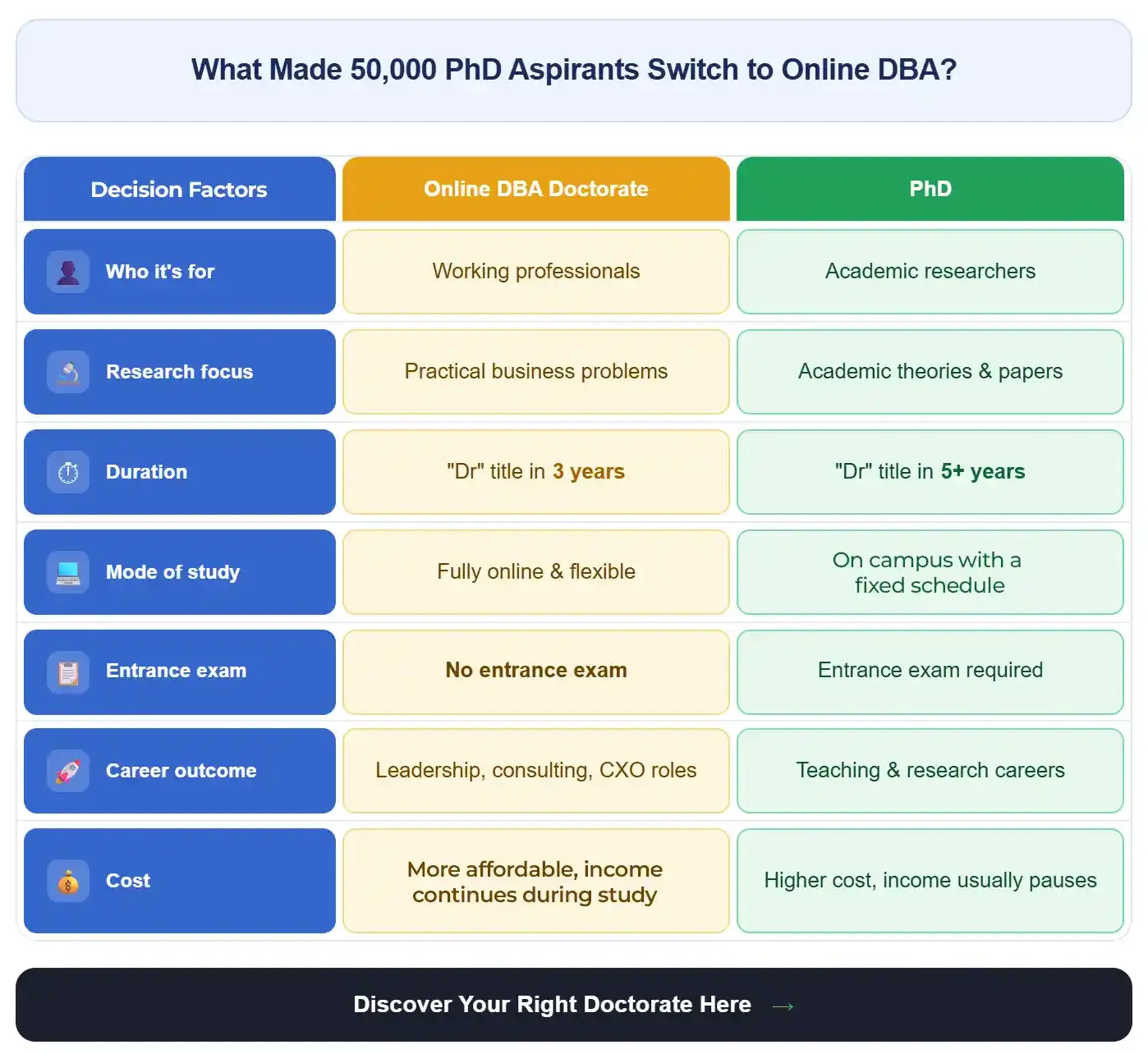
Students who wish to earn their doctoral degree without submitting any coursework can opt for the online DBA program. The online DBA (Doctorate in Business Administration) is considered equivalent to the regular PhD program. The online DBA is ideal for working professionals who wish to pursue their doctoral degrees without leaving their jobs.
Here are the key features of an online DBA program:
- An online DBA program is a three-year program, where the classes will be held online.
- The online DBA program offers flexible class timings, especially for working professionals
- A DBA program offers a doctoral degree in various specializations.
- On completion of the program, the students will earn the title of ‘Dr.’
- Interested students do not need to appear for any entrance exams or interviews to enroll in the DBA program.
- The enrolled students will meet their subject-experts online and learn more about their specializations.
- The students will earn their DBA degree from top foreign universities and may get the chance to visit abroad.
- The enrolled students will have an overall personality development due to interaction with other students from diverse backgrounds through online.
- The learned will gain more skills and knowledge related to their domain, which they can use in both national and international markets.
- On completing the program, the students will get more job opportunities, and many prestigious companies will be eager to hire them.
- The learner will also get to submit their research proposals at the end of their program.
Eligibility criteria:
a) Students who have completed their bachelor's degree in any subject with a minimum of 5 years.
b) Those who have completed their master's degree or an equivalent degree to a master's.
Universities offering an online DBA program
Various universities offer the online DBA program. Here is the list of universities and their fee structure given for students' reference.
|
Universities |
Fees |
|
INR 6,00,000 | |
|
INR 8,14,000 | |
|
INR 8,12,500 | |
|
INR 5,50,000 | |
|
INR 8,14,000 | |
|
INR 7,50,000 | |
|
INR 7,00,000 |