


What actually happens after a diploma? No, seriously, what really happens?
You get a job. Good. You feel proud for a few months. Even better. The family is happy. Neighbours suddenly start respecting you. Life seems sorted.
And then, slowly, things start getting weird. Same role. Same work. Same machine. Same shift. Year changes. Salary? Barely. Promotion? “We’ll see next cycle.”
I’ve seen this up close. Not theory. Real life. One of my friends, let’s call him Amit, used to say, “Bhai, kaam toh main hi karta hoon, par designation kisi aur ka hai.” And honestly? That line hits harder than it should.
Because that’s the reality for most diploma holders working in core jobs.
You’re skilled. No doubt. You’re मेहनती. That too. But still, something feels off.
Ever wondered why the guy who joined after you with less experience, less practical knowledge, is now your supervisor?
Yeah. That one hurts more. Here’s the uncomfortable truth - It’s not always about skills.
Sometimes, it’s just about the degree. And that’s where the whole story changes.
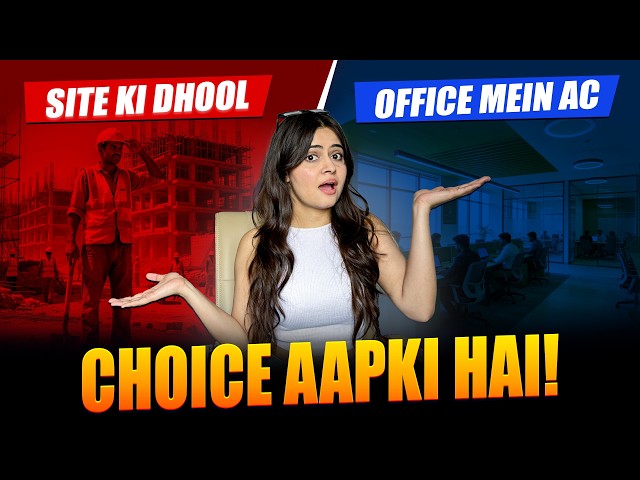
Meet Swati - Deserving But Stuck at Her Job
Now let me tell you about Swati. Not some “topper since childhood” type story. Relax. Not IIT. No gold medal. Nothing fancy.
Just a normal diploma holder. Like most of you reading this. She completed her polytechnic in mechanical engineering. Got placed in a mid-level manufacturing company. First job. First salary. It felt amazing.
I still remember when she described her first day: “Helmet pehna, ID card lagaya, laga life set hai.”
Yeah, we’ve all been there.
But give it a few months. Reality started showing up. Slowly. Silently.
Her role? I am a junior engineer. Actual work? Mostly supervision, sometimes documentation, sometimes just “stand and assist”. Salary? Enough to survive. Not enough to grow. And growth? That word existed only in HR presentations.
Every morning the same bus, same factory gate, same punch-in machine.
Same instructions. Same targets. Same लोगों की बातें.
And the worst part?She knew she was capable of more.
Have you ever felt that? Like you’re doing less than what you can do, but more than what you’re getting paid for? Yeah. That zone.
Swati was stuck right there. Not jobless. Not struggling but struggling.
Just stuck. And honestly, that’s worse.
The Breaking Point
Now here’s the thing.
Being “stuck” doesn’t hit you all at once. It builds up. Quietly. Day by day.
Till one day when something small happens. And suddenly, it’s not small anymore.
For Swati, it was appraisal season. You know that time of the year, right? When everyone suddenly becomes extra active. Extra polite. Extra hopeful.
Same happened here. She had been working for almost 2.5 years now. Handled extra responsibilities. Trained new joiners. Even fixed issues that weren’t technically her job.
So yeah, expectations were there. Not crazy expectations. Just basic. A better role. A decent hike. Some recognition. Fair, right?
Appraisal meeting day came. The manager called her in. Made her sit down.
He gave her that standard corporate smile, the one that already tells you something’s off.
“Swati, you’re doing a good job.” That line, I swear, it never ends well.
Then came the twist. “No role change right now. Maybe next year. Keep working hard.” Salary hike? Bare minimum. Designation? Same. Workload? Oh, that increases. Obviously.
And here’s the real punch. A new guy joined her team recently. B.Tech graduate. Less experience. Needed guidance for basic tasks. Guess who was asked to train him?
Yeah. Swati. And guess what his designation was? Senior Engineer. Let that sink in. I remember when she told me this, she didn’t sound angry. That was the scary part. She just said, “Shayad problem mujh mein hi hai.”
That’s when it hits you. Not loudly. Not dramatically.
Just a quiet realization that something is seriously wrong here.
The Realisation
Now comes the part nobody likes, but everyone eventually faces. That uncomfortable question.
“What exactly is missing?” Swati asked herself the same thing.
Because let’s be honest, she was working hard. She had experience. She knew the actual work better than most people in her team.
Then why this gap? Why was she training someone, who was already above her? Took her some time. A lot of overthinking. Some late-night scrolling. Some “maybe I’m not good enough” moments.
And then, it clicked. It’s neither skill nor effort.
Degree.
Simple. Brutal. True. See, companies don’t always say it directly. But they follow it like a rulebook.
No B.Tech? There’s a ceiling. Invisible, but very real. You can keep working. Keep proving yourself. Keep waiting.
But that jump? That promotion? That “respectable” title? Gets stuck somewhere in between. Now the obvious solution sounds easy, right? “Just do a B.Tech.” Yeah, sure. And leave your job? Stop earning? Go back to college full-time?
Who’s paying the bills then? I remember asking her this casually: “So will you quit and study?” She just laughed. “EMI tu bharega?”
Fair point. Because this is where most people get stuck again. They know the problem. But the solution? Doesn’t fit real life. And that’s exactly where Swati was. Aware, but stuck.
The Search for a Solution
So now Swati knew the problem. Degree. Simple word. Complicated situation.
Next step? Find a way. And this is where things got messy.
Like proper इंटरनेट वाला confusion. One day she called me, “Yaar, distance B.Tech kar leti hoon kya?” I said, “Google kiya hai properly?” She had. And that’s when the chaos started. Some websites saying:
“Do B.Tech from home!”
“100% online engineering degree!”
“Fast-track graduation!”
Sounds great, right? Yeah, until you read the fine print. Or worse, there is no fine print.
Because here’s the reality no one tells you clearly.
B.Tech in full distance or fully online mode? Not valid in India.
Harsh. But it's true.
Swati didn’t believe it at first. She checked again. Different sites. YouTube videos. Quora threads.
The same answer kept coming back.
Not approved. Not accepted Not worth the risk.
Now imagine the frustration. You finally decide to fix your career and every option you find is either fake, risky, or just not practical. Then came part-time B.Tech.
Sounded slightly better. But again, limited options, unclear structure, and not something she could blindly trust. At one point she literally said - “Lagta hai system hi nahi chahta ki hum aage badhein.”
And honestly? At that moment, it felt true. Because she was doing everything right, which was searching, asking, trying to understand.
But still, no clear path. Just noise.
Too many options. Zero clarity.
And that’s the worst place to be in. Not clueless. But a really confused state.
Introducing B.Tech for Working Professionals
Now here’s where things finally started making sense. Not suddenly. Not like some “light bulb moment” movie scene. More like slow clarity. One evening, Swati sent me a screenshot.
“B.Tech for Working Professionals.” I’ll be honest, I ignored it at first. Sounded like one more fancy name for the same old nonsense. But she had already gone deep into it. Proper research mode.
And this time, things were different. No “100% online B.Tech” drama. No fake promises. No shortcuts. Instead, something actually practical.
Let me explain. This wasn’t a distance degree. Not some jugaad version of engineering. It was a lateral entry B.Tech, designed specifically for people like her which means the working diploma holders. People who already know the job, but don’t have the degree to match it.
Makes sense, right? Course duration? 3 years. Why? Because the diploma already covers the basics. So instead of starting from scratch, you jump directly into the core part. That’s the “lateral entry” part.Now the real question, “How will you manage this with a job?”
Fair. That’s exactly what Swati asked. And this is where the course actually wins. Flexible classes. Weekend sessions. Hybrid learning model. Basically, built around your job, not against it. No need to quit. No need to pause your income. No need to mess up your daily routine completely.
I remember her saying: “Agar pehle pata hota na, 2 saal pehle hi start kar deti.” Yeah. Because for the first time, it didn’t feel like a risk. It felt like a way out. Not easy. But finally, it is possible.
How Swati Managed Work + Study
Now comes the part where most people say: “Bhai yeh sab sunne mein accha lagta hai, but manage kaise hoga?” Fair doubt.
Even Swati had the same reaction. Because let’s be honest, the job itself is tiring.
8–9 hours shift (sometimes more). Travel. घर पहुँचो, energy already finished.
Now add studies on top of that? Sounds like a bad idea. But here’s what actually happened. She didn’t try to become a “perfect student” overnight. No crazy timetable. No 5 AM motivation speeches.
Just small adjustments. Weekdays? Focus on work. Maybe 1–2 hours of light study when possible. Notes, recorded lectures, that kind of stuff. Nothing fancy. Weekends? That’s where the real game happened.
Live classes. Practical sessions. Doubt solving. Basically, structured learning without disturbing her job. And yeah, some days were messy.
Dead tired after work. Skipped a lecture. Watched recordings later at 1.25x speed. (We’ve all done that, don’t lie.)
I remember once she told me, “Kal class mein aankh hi nahi khul rahi thi, but attendance deke so gayi.” Not ideal. But real. And that’s the point.
This wasn’t about being perfect. It was about being consistent enough.
Slow progress. But steady.
No quitting job. No financial stress. No dramatic life changes.
Just balancing things like a normal human. And over time? It stopped feeling like a burden. It became routine. Like brushing your teeth. You don’t think about it. You just do it. That’s how she managed it.
Not magically. Just practically.
Role of College Vidya
Now here’s where things got easier. Not easy-easy. Let’s not lie. But at least, clear.
Because till now, Swati had figured out what. She needed a B.Tech for Working Professionals. But the next problem?
Which college?
And trust me, this is where people mess up again. Too many options. Too many “top universities” claims. Everyone says “best placement”, “highest package”, “limited seats”. It’s like bhai sab best hain toh average kaun hai?
Swati was stuck there for a while. Scrolling. Comparing. Doubting. One college looked affordable but no clarity on approval. Another looked reputed but fees were too high. Some didn’t even explain how classes actually happen.
Total confusion. Again. That’s when she came across College Vidya.
At first, she thought it’s just another website. You know, the usual “fill your number, get spam calls” type. But this one felt different. She tried it anyway.
And honestly, that was the smart move.
Because instead of selling one college, they actually showed her multiple options.
Proper comparison. Fees. Approvals. Learning mode. Everything side by side.
No pushing. No “last date today” pressure.
Just information.
I remember she told me: “Pehli baar lag raha hai koi samjha raha hai, bech nahi raha.”
That says a lot. They helped her shortlist universities like:
All approved. All structured for working professionals.Then came admission support. Documentation, eligibility check, application. All sorted without her running around or getting confused. And even after admission?
Support didn’t disappear. That’s rare, by the way. Because usually once you pay, everyone vanishes. But here, she had guidance even after starting the course.
And that made a difference. Because choosing the right college is one thing.
But staying on track after that? That’s where most people fall off.
Swati didn’t. And yeah, this time, it wasn’t just because of her effort. She finally had the right support system.
The Transformation Swati Always Wanted
Now this is the part people expect to be dramatic. Suddenly life changes. New job. Big salary. LinkedIn post with “feeling blessed”.
Yeah? Not really. Real transformation? It’s slow. थोड़ा boring भी.
But powerful. The first few months into the course, nothing crazy happened. Same job. Same office. Same people.
But something inside started shifting. Swati began understanding things differently. Earlier, she was just doing the work. Now she started understanding the “why” behind it. Design concepts. System thinking. Technical decisions.
Those things that usually only B.Tech grads talk about in meetings? She started getting them. And once that happens, you don’t stay quiet in meetings anymore. I remember she told me: “Pehle sirf sunke aati thi, ab bolne ka mann karta hai.”
That’s confidence. Not loud. Not show-off. Just clarity. Even her manager noticed it.
Started giving her slightly better tasks. More responsibility. Less “just assist”, more “handle this”. Small changes. But they add up. And then came the real shift:
Opportunities. Internal openings. Better roles in other teams. Even calls from recruiters started coming in. Not because she suddenly became a genius.
But because now her experience had a degree backing it. Deadly combo. Experience + Qualification. Earlier, she had one. Now she had both.
And that changes how people see you. More importantly, that changes how you see yourself. No more “shayad problem mujh mein hai.” Now it was more like “Okay, I’m actually ready.”
Direct Message to The Reader
Now let me ask you something. Are you also in the same place Swati was?
Working hard. Doing your job properly. Still, not moving ahead?
Be honest. Because most people reading this are not jobless. They’re just stuck.
Big difference. You wake up, go to work, finish tasks, come back. Month ends. Salary comes. Life चलता रहता है. But growth? That part feels missing.
And somewhere deep down, you already know why. You’ve seen it happen around you. Less experienced people moving ahead. B.Tech grads getting preference. You are doing the actual work, but not getting the actual credit.
Hurts, right? I’ve had this conversation so many times with people who are friends, colleagues, and random LinkedIn messages.
Same pattern. “Bhai kaam toh aata hai, par degree nahi hai.”
And that’s the gap. Not skill and not effort.
Just that one missing piece. Now the real question: What are you going to do about it?
Wait for your company to suddenly change its rules? Hope that “experience matters more” one day? Or actually fix the problem? Because look, Swati’s story is not special. That’s the uncomfortable truth. There are thousands of people in the exact same situation. Some stay stuck. Some move ahead.
Difference? Action. Small, practical, slightly uncomfortable action. So yeah, if you see yourself anywhere in this story: Maybe it’s time to stop adjusting, and start changing something.
Why B.Tech for Working Professionals Actually Makes Sense
Now let’s stop the story for a second. Because at this point, one question is probably sitting in your head: “Okay, Swati did it, but what exactly is this course and why should I care?” Fair.
Let’s break it down. Simple. No bakwaas.
Why Do You Even Need a B.Tech for Working Professionals?
If you’re a diploma holder working in an engineering job, you already know the answer. You’re working. You understand the job. You handle real problems.
But still, No promotion. Limited salary growth. No “serious” designation.
Why? Because companies have this invisible filter.
No B.Tech → No major growth. Harsh? Yes. True? Also yes. Now quitting your job to do a regular B.Tech? Not practical. Bills don’t pause. Responsibilities don’t disappear.
That’s exactly why this course exists. It’s basically the closest thing to a B.Tech Distance Education option, but done the right way.
Valid. Approved. Designed for people like you.
What Makes This Course Different?
Let me put it like this.
This is not a shortcut. It’s a smart route.
You enter through lateral entry.
Meaning? You don’t waste time starting from year one again. The diploma already covered the basics, so you directly jump into the core part.
Duration? 3 years. And the biggest win? Flexibility. Classes are designed around your schedule. Weekend sessions. Hybrid learning.
So you don’t have to choose between a job or a degree. You can actually manage both. Messy at times? Yes. Possible? 100%. You’ve already seen Swati do it.
Let’s Talk About the Real Benefits
No fancy words. Straight talk.
- Flexibility You Actually Need
You’re working. You don’t have time for full-time college. This course gets that. You study when you can. Attend sessions without messing up your job. Simple. - Affordability That Makes Sense: Regular college means:
- Hostel fees.
- Travel.
- Extra expenses.
Here? Mostly gone. You pay for education, not for shifting your entire life.
- Career Growth (The Real Reason): Let’s not pretend. You’re not doing this for “knowledge”. You want:
- Better salary
- Better role
- Better respect
And this degree helps unlock that. Because now, you’re not just experienced. You’re qualified.
Who Can Actually Apply?
Quick check.
- You have a 3-year diploma in engineering
- You have at least 1 year of work experience
- You’re currently working
That’s it.
No age limit. No weird restrictions.
If you fit this, you’re eligible.
Simple.
Which Colleges Offer This?
Now comes the important part.
Because a degree matters, but college choice matters more.
Here are some solid options:
All approved. All designed for working professionals.
But yeah, choosing between them?
That’s where most people get confused again.
And you already know, that’s exactly where Swati got help.
So yeah, if you strip away all the noise, all the confusion, all the marketing, this course is doing one simple job: Helping working diploma holders like you get the degree you were missing without breaking everything else in your life.
Conclusion
So, let’s just pause for a second. Swati’s story started exactly where most people are right now. Diploma done. Job in hand. Life? Okay-ish.
Not bad enough to quit. Not good enough to feel proud. That in-between zone. You saw what changed her trajectory. Not luck. Not some “connection”. Not a sudden miracle.
Just one decision to fix what was actually holding her back. And once that piece was in place, everything else started moving. Slowly at first. Then all at once.
Now here’s the uncomfortable part. Reading this won’t change anything. Motivation lasts but till when, about 10 minutes? Then back to the same routine. I’ve been there too.
You read something, feel “haan yaar, sahi hai”, and then go back to scrolling reels. Nothing changes.
So the real question is: What’s your next step? Because the problem is already clear. The solution is also sitting right in front of you. The only tricky part?
Choosing the right college. Not the loudest one. Not the cheapest one. The right one. And that’s exactly where most people mess up again. Too many options. Too much confusion. That’s why College Vidya actually makes sense.
Not because we “sell” something, but because we help you figure things out.
Compare colleges. Understand what fits your situation. Get guidance without running in circles. Simple. Swati used it. I made a decision. Stuck with it. That’s it. No drama. No overthinking. Just action.
So yeah, If you’re still reading this, you already know where you stand. The only thing left? Decide whether you want to stay stuck, or finally move.