



The MPhil course was usually divided into four semesters over two years (sometimes 1 or 1.5 years). Each year has two semesters. The syllabus was split into different parts and modules. In the first two semesters, students focused on theoretical coursework in their chosen subject. In December 2023, the University Grants Commission (UGC) made it clear that the MPhil degree will no longer be recognized in India.

The UGC advised universities to stop offering MPhil programs and warned students not to apply for them. The UGC said some universities were still inviting applications for MPhil, but this degree is no longer valid. Under Regulation No. 14 of the UGC’s 2022 rules, universities are prohibited from offering MPhil programs. Also Read | Why UGC Discontinued M.Phil Degree In India?
These changes follow the National Education Policy (NEP) 2020, which suggests stopping the MPhil altogether. Instead, the NEP recommends a four-year Bachelor’s degree and a research-focused Master’s program. With these changes, the MPhil is no longer needed to pursue a PhD. The NEP explains that universities will have flexibility in how they design their Master’s programs. One option could be a two-year Master’s course, with the second year focusing entirely on research, for those looking to pursue a PhD, a Master’s degree or a four-year Bachelor’s degree with research is required.
The MPhil is no longer necessary under this system. This shift is part of a larger effort to simplify the education system, making it easier for students to move directly into PhD programs after their Master’s or Bachelor’s degrees. Universities are now focusing on building research skills through these new pathways.
|
Working Professionals Also Looking For | |
The discontinuation of the MPhil also reflects a global trend toward more streamlined research-based higher education, encouraging students to engage in deeper, more advanced study earlier in their academic careers. This change aims to create a clearer and more direct path for students interested in research and academic careers.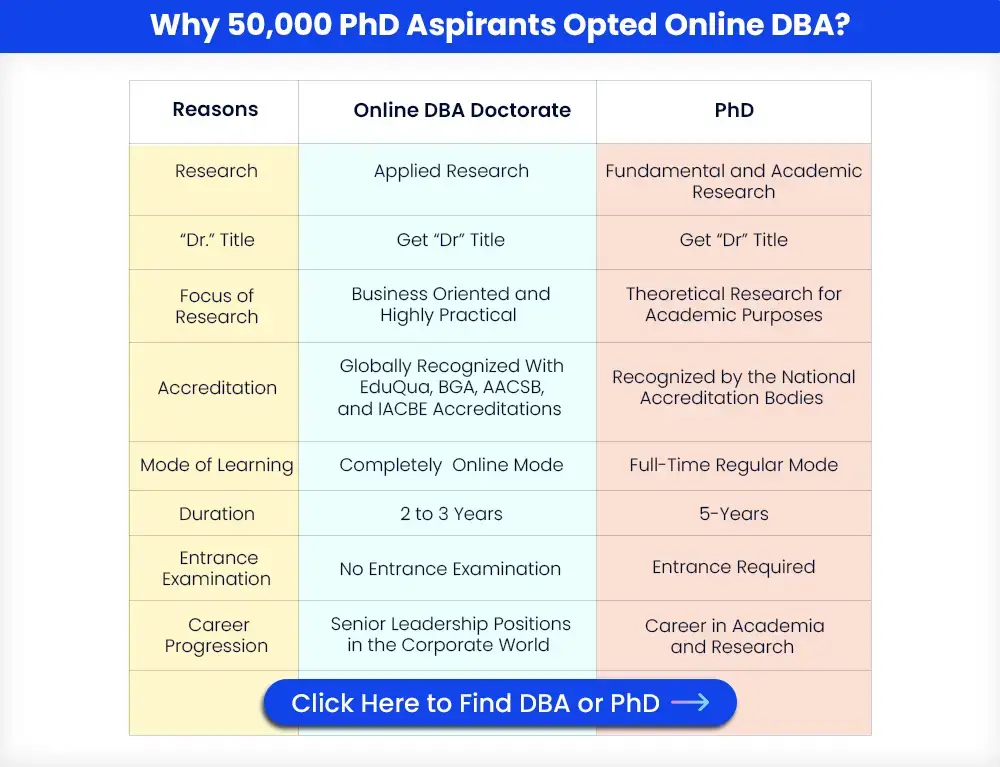
List of Subjects, Year-Wise, that were Covered in M.Phil
The MPhil course was usually divided into four semesters over two years (sometimes 1 or 1.5 years). Each year has two semesters. The syllabus was split into different parts and modules. In the first two semesters, students focused on theoretical coursework in their chosen subject. The third and fourth semesters are for the thesis, dissertation, and viva voce.
MPhil subjects covered both theoretical and practical aspects of research. The subjects highlight the origin, development, and scope of the chosen field. The exact MPhil subjects can vary based on the university and specialization, but all follow a similar structure:
|
MPhil Syllabus Year 1 | |
|
Semester 1 |
Semester 2 |
|
Philosophical Foundations of the subject |
Advanced Research Methodology and Research in the Subject of Study |
|
Research Results Reporting, Referencing Techniques and Plagiarism |
Analysis and Domain Study |
|
Research Methodology and Research in the subject of study |
Review of Literature |
|
Study of origin and development of the subject |
Study of relative discipline to the subject of study |
|
Elective subject-I |
- |
|
MPhil Syllabus Year 2 | |
|
Semester 3 |
Semester 4 |
|
Computer Applications in the domain of the subject |
Dissertation |
|
Dissertation |
Viva Voce Examination |
|
Elective subject-II |
Exercise /Practical work |
Stream-wise Syllabus of MPhil Program
MPhil subjects cover a wide range of specializations, allowing students to focus on specific research areas based on their interests. In the first year, MPhil students begin exploring research within their chosen specialization.
Below are some common MPhil specializations:
- MPhil in Commerce: This two-year program focuses on business topics like finance and banking. It explores the role of commerce in various human aspects.
- MPhil in English: This specialization focuses on literary theories, development, and research in English literature. Students analyze and expand upon literature reviews in their research.
- MPhil in Mathematics: Key topics include matrix analysis, boundary layer theory, and hydromagnetic stability. Strong numerical skills are essential for this research.
- MPhil in Chemistry: Topics like thermodynamics, kinetics, organic synthesis, and coordination chemistry are studied. Research methodology is central to this field of study.
|
MPhil Specialization |
MPhil Syllabus /Subjects |
|
MPhil in Psychology |
|
|
MPhil in English |
|
|
MPhil in Economics |
|
|
MPhil in Education |
|
|
MPhil in Management |
|
What were the subjects in the MPhil Program?
Each MPhil specialization syllabus was designed to give students a deep understanding of the subject and its research potential. While the course content varies by specialization, the overall structure of the MPhil syllabus is consistent. To ensure flexibility, the program is spread over four semesters.
Here are the MPhil subjects for the 2-year course:
- Family Studies
- Human Development
- Early Childhood Care and Education
- Research Methods and Statistics
- Community Psychology
- Child and Family Welfare
- Management Principles
- Understanding of Managerial Roles
- Review of Literature
- Human Resource Management
Now, let’s explore some popular MPhil specializations and their subjects.
|
MPhil Specialization |
MPhil Subjects |
|
MPhil in English |
Research – Types and Identification of Problems |
|
Mechanics of Research | |
|
Modes of Writing | |
|
Documentation and List of Works Cited | |
|
Critical Essays | |
|
Dissertation | |
|
MPhil in Psychology |
Research methodology A |
|
Qualitative research methods | |
|
Psychological testing A | |
|
Psychotherapy | |
|
Research methodology B | |
|
Psychological testing B | |
|
Biological foundation of mental health | |
|
Research dissertation | |
|
MPhil in Management |
Research Methodology |
|
Strategic Management | |
|
Advances in Management | |
|
Financial markets and derivatives | |
|
International human resource management | |
|
Latest trends in OB and HRM | |
|
Dissertation | |
|
MPhil in Education |
Paradigms in Educational research |
|
Redefining higher education | |
|
Social context of education | |
|
Politics and higher education | |
|
Quality in higher education: national level | |
|
One written assignment per course | |
|
One seminar or book review | |
|
MPhil in Economics |
Understanding Research |
|
Data and its Collection and Sampling Considerations | |
|
Econometric Methods | |
|
Advances in Microeconomic Theory | |
|
Advances in Macroeconomic Theory | |
|
Trade and Development Dynamics | |
|
Dissertation |
What were the specializations in the MPhil program?
Students had many options in the MPhil course syllabus, allowing them to choose based on their professional goals. The MPhil syllabus can be coursework- or research-based, focusing on building skills in both theoretical and practical areas, with an emphasis on research outcomes.
The program equipped students with research-oriented skills, preparing them for roles in academia or industry. MPhil courses are offered by almost every private and public institution in India, making them accessible for many students.
Some of the most popular MPhil specializations in India are:
- MPhil in Economics
- MPhil in Business Management
- MPhil in Political Science
- MPhil in History
|
MPhil Physics |
MPhil Mathematics |
|
MPhil Biotechnology |
MPhil History |
|
MPhil Computer Science |
MPhil Sociology |
|
MPhil Chemistry |
MPhil Commerce |
|
MPhil Botany |
MPhil Economics |
|
MPhil Education |
MPhil English |
|
MPhil Tamil |
MPhil Zoology |
|
MPhil Law |
MPhil Life Sciences |
|
MPhil Physical Education |
MPhil Applied and Regional Economics |
|
MPhil Human Development Studies |
MPhil Social Work |
Is an MPhil required for a PhD program?
The University Grants Commission (UGC) has updated its regulations for awarding Ph.D. degrees, in line with the National Education Policy (NEP) 2020. The UGC has notified higher educational institutions (HEIs) about the new UGC (Minimum Standards and Procedure for the Award of Ph.D.) Regulations, 2022.
Key changes include:
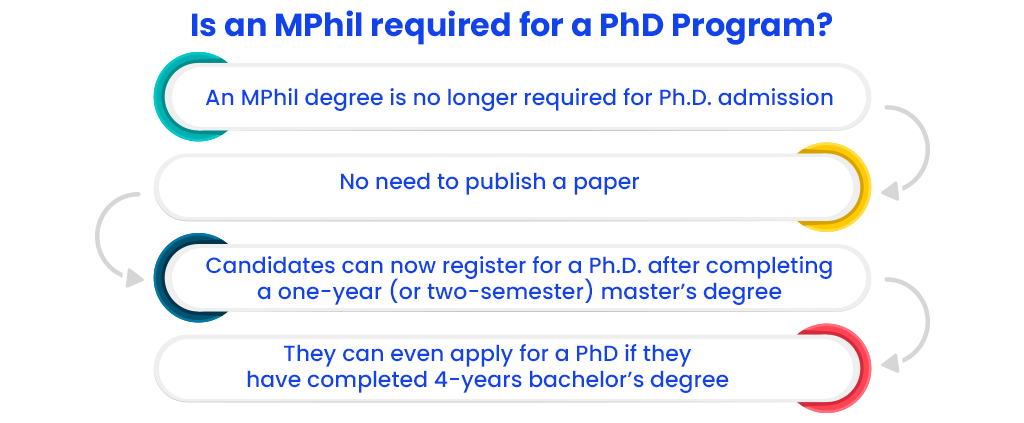
- MPhil Abolished: An MPhil degree is no longer required for Ph.D. admission.
- No Mandatory Publication: The requirement to publish a research paper in a peer-reviewed journal is no longer necessary for Ph.D. qualification.
- New Admission Criteria: Candidates can now register for a Ph.D. after completing a one-year (or two-semester) master’s degree following a four-year (or eight-semester) bachelor’s degree, or a two-year (or four-semester) master’s degree after a three-year bachelor’s degree, provided they have at least 55% marks or an equivalent grade.
PhD After Bachelor’s: Is it possible?
A major change is coming to the academic world. UGC Chairman Jagadesh Kumar has announced that students with four-year undergraduate degrees can now directly pursue a PhD by taking the National Eligibility Test (NET). This new rule eliminates the previous requirement of a master’s degree for NET eligibility.
Here’s what you need to know:
- Direct PhD Route: Students with a four-year UG degree can apply for a PhD without needing a master’s degree, provided they have a minimum of 75% marks or equivalent grades in their undergraduate studies. There’s a 5% relaxation for certain categories.
- NET Exam Changes: The NET exam, which was previously computer-based, will be held offline this year. It is scheduled for June 16. This change is intended to support candidates from diverse academic backgrounds.
- Broader Opportunities: This update allows students to pursue a PhD in any subject, even if it’s different from their undergraduate major. It promotes interdisciplinary research and equips graduates with a broader skill set, enhancing their job market competitiveness.
- Fallback Options: If students don’t meet the 75% mark in their four-year UG degree, they can complete a one-year PG program and then take the NET exam to become eligible for a PhD.The UGC is working with universities to launch one-year PG programs soon, making it easier for students to meet the new requirements.Moreover, you can even apply for a DBA doctorate online after completing your bachelor’s degree; it is also a doctorate program that is specially designed for working professionals. It also adds up the “Dr” title before your name. A Doctor of Business Administration (DBA) is a top-level, business-focused degree that equips you with practical skills to apply directly in the workplace.
|
Working Professionals Also Looking for | |
What is taught in an online DBA program?
In an online DBA program, you’ll learn about business theory and practice while exploring common challenges across various management roles. The courses often cover topics like business management, organizational leadership, innovation, and strategic decision-making. DBA programs also include research methods to help you conduct and assess research.You’ll learn both qualitative and quantitative research methods, as well as how to analyze business data, which can be applied to any organization.
Specializations in Online DBA Programs
Many DBA programs offer specializations, allowing you to focus on a specific area of interest:
- Entrepreneurship: Courses include business-to-business marketing, innovation management, and entrepreneurial finance.
- Healthcare Management: You can study ethics and law, healthcare delivery management, and managerial decision-making.
- Human Resource Management: This specialization covers strategic partnerships, succession planning, and organizational agility.
- Leadership: You’ll explore multicultural management, sustainability, and change management, preparing for top business roles.
- Self-Designed: Customize your learning with courses from various fields like HR management, healthcare, leadership, or entrepreneurship.
Overall, DBA programs empower business professionals with the knowledge and tools to develop innovative solutions for today’s complex business challenges.
|
Top Online DBA Doctorate Specialization | |
Is a DBA equivalent to a PhD in Business Administration?
Yes, both a DBA (Doctor of Business Administration) and a PhD in Business Administration are doctoral degrees that allow graduates to use the title “doctor,” but they serve different purposes and have distinct focuses.
Differences Between an online DBA and PhD in Business Administration
While both degrees revolve around the field of business, the approach, goals, and career paths they lead to are quite different:
- PhD in Business Administration: This is a research-intensive degree primarily aimed at individuals who wish to pursue careers in academia or high-level research. The focus is on creating new theories, contributing to business scholarship, and expanding knowledge in the field. PhD students spend years conducting original research, and their work often culminates in a dissertation intended for publication. If you aim to become a professor or a researcher in a university, a PhD is the best path.
- Online DBA (Doctor of Business Administration): The DBA is more practice-oriented and designed for professionals looking to apply advanced theoretical knowledge to real-world business challenges. The degree emphasizes the application of research to business problems, making it ideal for senior managers, executives, consultants, and professionals aiming to improve organizational performance and innovate in their industries. Rather than contributing new academic theories, DBA students use research to solve current business issues.
The Career Paths
- PhD in Business Administration: Graduates become professors, researchers, or analysts at universities, think tanks, or business research centers. They focus on theory development, publish scholarly papers, and contribute to academic knowledge in business.
- Online DBA: Graduates of an online DBA program often pursue leadership roles in corporations, government agencies, or non-profit organizations. They may become C-suite executives, high-level consultants, or industry experts who apply research to make strategic decisions and solve practical business problems.
Focus and Coursework
- PhD: PhD programs focus heavily on academic research, quantitative and qualitative methodologies, and theory building. Students usually aim to produce work that is academically rigorous and often contribute to academic journals.
- DBA: DBA programs focus on advanced business practices, leadership strategies, and problem-solving within an organization. The coursework is designed to help students apply academic theories to everyday business issues, leading to innovative solutions that can be implemented in real-world settings.While both the online DBA and PhD in Business Administration are prestigious degrees, they cater to different aspirations. If your goal is to work in academia, develop new theories, or pursue a career in research, the PhD is the right fit. However, if you’re more interested in applying business theory to improve organizational practices or becoming a top executive, the online DBA is the better option. Both degrees equip you with deep knowledge, but the choice depends on whether you want to focus on theory or practice. Various universities are offering an online DBA. Some of them are mentioned below
|
Universities |
Fees |
|
INR 8,14,000 | |
|
INR 8,12,500 | |
|
INR 8,14,000 |
Is an online DBA worth it?
If you’re already in a management or leadership role, pursuing an online DBA degree can elevate your career. It equips you with advanced knowledge and skills to excel further and make a greater impact within your organization. If you’re aiming to transition into a management or leadership position, a DBA can give you a competitive edge over other candidates. This degree demonstrates your commitment to your career and your willingness to invest in your professional growth. Moreover, if you want to deepen your understanding of your field and gain valuable research experience, a DBA may be the right fit for you. It allows you to explore your area in greater depth and develop the skills necessary to succeed as a researcher.
Conclusion
In conclusion, choosing between a DBA and a PhD depends on your career goals. A PhD is ideal for those pursuing academia and research, focusing on theory and original contributions. In contrast, a DBA is suited for professionals looking to apply knowledge to real-world business challenges, enhancing their leadership skills. Both degrees offer valuable insights, but they cater to different aspirations. As the educational landscape evolves, understanding these differences can help you make an informed choice about your future. Whether you aim for academic excellence or practical expertise, both paths lead to growth and advancement in your field.