
Compare in 2 mins




India's leading Online Universities on a Single Platform within two minutes
Compare & Apply from 100+
Online Bachelor of Library and Information Science Universities

Get an
Online Discount of 15%

College Vidya Promise
Lowest Price Guarantee
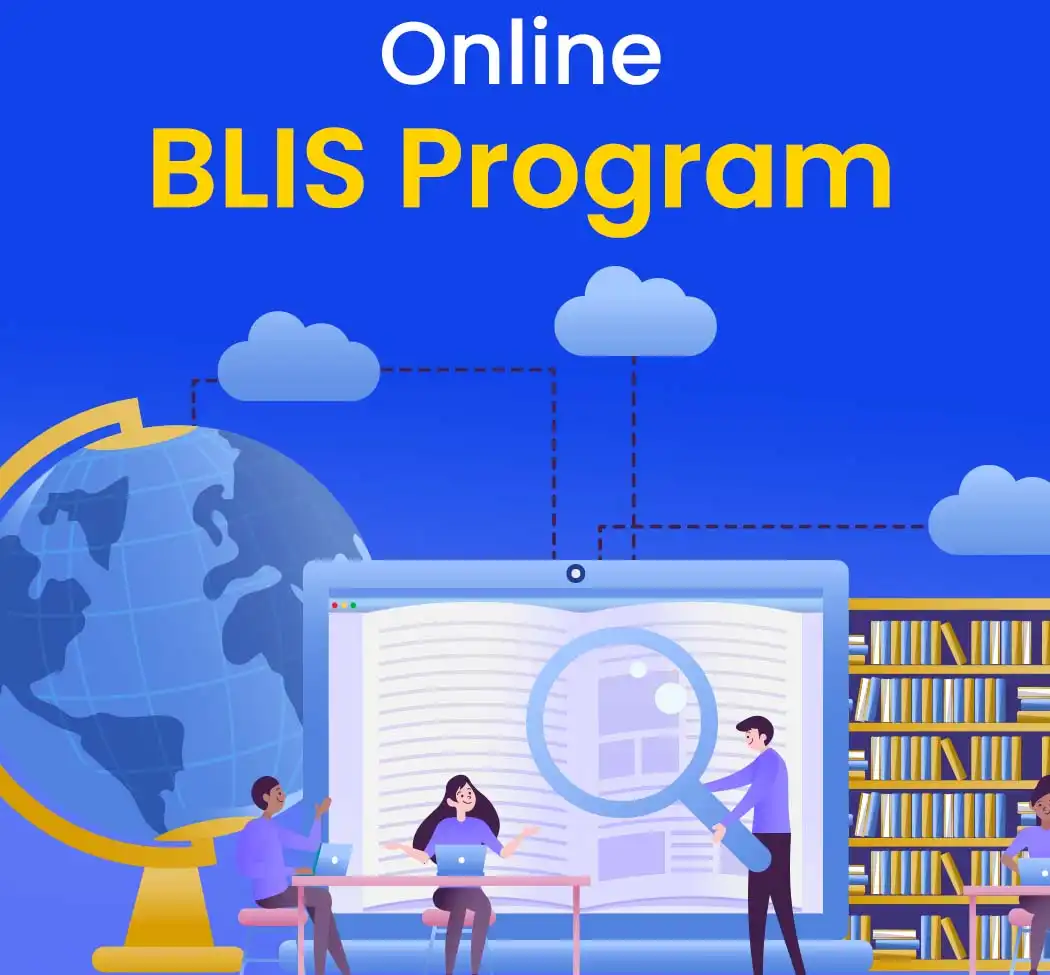
Online Bachelor of Library and Information Science Course
OverviewAn online Bachelor of Library and Information Science program is intended for students who wish to gain professional knowledge in the field of library and information services. This course would involve insight into existing library operations and technological advances that are used for information management.
The course includes the study of book classification, journal organization, and the availability of reports and other types of information resources to users. Some of the subjects can be represented by Library and Information Society, Library Classification, Library Cataloguing, Information Sources and Services, Library Management, Information Technology, Information Retrieval, and Digital Libraries.
Possible hands-on practices are also to be included in the academic curriculum. This means that students would acquire the skills of performing library classification and cataloguing, application of library software, and rendering of library services. Some programs would include doing some projects, going for observation, or performing internship work. For example, the program offered by the University of Delhi includes completing tasks in classification and cataloguing, doing internship and project-related work.
The virtual mode of learning gives learners the ability to access learning material via the digital medium. According to the university concerned, learners may be provided with recorded lectures, PDF files, e-books, online assignments, learning support, among other learning materials. Before enrolling in the programme, students must confirm the duration of the programme, eligibility, university recognition, syllabus, practicals, exams, fees, among others.
Look at How Your Week Will Look!
A typical week of a working professional pursuing an Online Degree with College Vidya. Numbers are drawn from actual routines, not stock templates, so you can plan before you enrol.
Weekdays are workable. Live sessions sit in the evening, coursework fits around your shift, and you still keep hours for family, food and sleep.
Built on real routines of 1.25 Lakh+ Students guided by College Vidya across Online MBA, MCA, MA, MCom and other Online Degree Programs.
Key Highlights of Online Bachelor of Library and Information Science in India
- The online Bachelor of Library and Information Science program is a 1-year bachelor's program, in contrast to other bachelor's degree programs.
- A UGC-recognized university bachelor's degree in any field is required for admission to this program.
- Numerous lucrative employment prospects are available through the curriculum, including work in foreign embassies, art, and cultural archives, catalog departments, library facilities, etc.
- This program's education costs every semester range from Rs. 4500 to Rs. 6000.
- The university's learning management system makes the course materials for this program readily available.
- In the online learning mode, the learner can use self-learning materials (SLM) and recorded lectures to study at their own pace.
Online BLIS Eligibility and Duration
The criteria of eligibility for Online Bachelor of Library and Information Science are unlike those of several other regular undergraduate programmes. In most universities, the criterion for admission in BLIS is to first complete a bachelor’s degree. In some universities, the details about the current BLIS programme mention that the criterion of eligibility includes a bachelor’s degree, but other requirements like marks, etc.
Sometimes, graduates from any stream, such as Arts, Commerce, Science, or any other recognized bachelor's program, might be accepted by some universities. Some universities might also offer an alternate route to eligibility, like a bachelor’s degree plus a diploma in library science or library experience. It is important for the candidates to understand the eligibility criteria of the university before applying. The duration of BLIS is usually 1 year and may include 2 semesters.
Additionally, it is advisable to find out whether the program contains classes in practice, projects, field work, or internship. These are essential components of library science study. Students must check the criteria for entry into the program, including minimum marks, qualifying degree, duration of the program, maximum duration of completion, mode of examination, and practicals.
Online BLIS Subjects and Syllabus
The Online BLIS syllabus focuses on the organisation, management, and use of information resources. Students learn how libraries and information centres function and how information can be classified, catalogued, stored, searched, and provided to users.
Common subjects include Library, Information and Society, Library Classification, Library Cataloguing, Information Sources and Services, Management of Library and Information Centres, Information Technology, Information Literacy, and other professional subjects.
|
Semester |
Main Subjects |
|
Semester 1 |
Library, Information and Society; Library Classification; Basics of IT in Libraries; Classification Practical; Project Work |
|
Semester 2 |
Library Management; Information Sources and Services; Library Cataloguing; Cataloguing Practical; Information Literacy; Internship |
The exact subjects can vary between universities. Current BLIS curricula include classification and cataloguing theory and practicals, library management, information sources and services, ICT applications, electives, project work, and internships. Students may also study digital libraries, information retrieval, electronic resources, preservation, documentation, and library automation depending on the programme.
The practical part is important because library science involves more than theoretical knowledge. Students may learn how to organise library materials, prepare records, use library software, search information resources, and provide reference services. Students should check the latest syllabus before admission because universities can change subjects, practical components, electives, and project requirements.
Skills Students Can Develop
- Library management
- Classification
- Cataloguing
- Information organisation
- Information retrieval
- Research skills
- Reference services
- Communication
- Digital library skills
- ICT skills
- Documentation
- Record management
- Information literacy
- Preservation skills
What Are the Online BLIS Course Fees?
The fees of an Online Bachelor of Library and Information Science will differ according to the university, length of programme, mode of learning, examination method, learning materials, and other facilities provided to the students. Students must consider the overall fees of the programme and not just the registration fee or first fee alone. While some universities will ask for the overall fee of the programme, some universities will accept the fee on a semester basis or instalment basis. Overall fees will also have extra charges that do not come under the main fees of the programme. This may include the examination fees, registration fees, practical fees, learning materials fees, project fees, or other such costs.
Students must compare the overall fees before getting admission to the programme. A programme that offers a lower tuition fee may have extra fees to be paid separately. Since BLIS programmes can differ in duration and structure, students should compare universities only after checking what is included in their respective fees. The fee can also change according to the admission session. Students should therefore verify the latest fee structure on the university's official admission page before making any payment.
If a university provides scholarships or discounts, students should check the final payable amount after applying the offer. Before admission, students should ask whether the programme fee includes study materials, practical work, examinations, project evaluation, certificates, and other academic services.
How to Enroll in an Online Bachelor of Library and Information Science Programme?
The admission procedure for the Online BLIS Program begins with verifying the eligibility conditions of the chosen university. Because most universities make BLIS a graduate-level professional program, the students must ensure that they have the qualifying bachelor's degree and minimum marks. Upon verification of the eligibility criteria, the next step involves checking the duration of the program, syllabus, fee structure, mode of study, practicals, examination system, admission dates, and support offered to the students.
The next step involves visiting the official website of the university for admission purposes and registering on it. The students may be required to give their personal details, which could be the name, mobile number, email ID, educational qualifications, and other information. Lastly, the students fill in the application form and upload the documents as per the request of the university.
Students are supposed to pay the registration/application fees after completing the application process. The university may also go ahead and verify the documents before giving approval for admission. The next step is where the students will pay the programme fees depending on the mode of payment. After that, students will be able to get the enrolment details through the online student portal. It will be necessary for the students to keep all these documents safe. They are also supposed to read about the instructions for the online learning process, assignments, practicals, and internships, among others.
Why Are Students Choosing an Online BLIS?
Students may choose an Online Bachelor of Library and Information Science because they want professional knowledge in library and information services while continuing their other responsibilities. The online mode can provide flexibility compared with programmes that require regular physical attendance.
BLIS is also different from a general bachelor's degree because it focuses specifically on libraries, information centres, documentation, information organisation, and related technology. Students can learn subjects such as classification, cataloguing, information sources, library management, information technology, and information services.
Another reason students consider this programme is the use of technology in modern library services. Libraries increasingly use digital resources, databases, online catalogues, automation systems, and electronic information services. Current BLIS curricula include ICT applications and digital information-related topics along with traditional library practices.
The programme may also include practical work, projects, field surveys, or internships. These activities can help students understand how library and information services are handled in practical settings. Students should understand that the online format does not mean that every activity will necessarily be completed without any practical requirement. Some programmes may have practical classes, fieldwork, or internships. Before admission, students should check the university's eligibility, recognition, syllabus, practical requirements, examination method, fees, and learning facilities.
What Do You Actually Get from an Online BLIS Course?
An Online BLIS programme provides students with professional knowledge related to libraries, information centres, documentation, and information management. The exact learning resources and facilities depend on the university.
Students may receive recorded lectures, online classes, PDFs, e-books, digital study materials, assignments, presentations, and access to an online learning portal. These resources can help students study the theoretical parts of the programme from their preferred location.
The programme may also include practical learning. Students can learn about classification, cataloguing, information retrieval, library management, ICT applications, and other professional activities. Current BLIS course structures include practical components for classification and cataloguing and may also include projects or internships.
Some universities may provide academic support through faculty interaction, doubt-solving sessions, assignment guidance, project support, or student helpdesks. Students should also check whether the programme includes internship or fieldwork. Practical exposure can be an important part of understanding library operations.
Before admission, students should find out exactly what is included in the programme fee. They should check whether study materials, practical activities, examinations, project evaluation, certificates, and other services are included. The facilities can differ between universities, so students should not assume that every Online BLIS programme provides the same learning resources or practical support.
What Facilities and Support Do You Get in an Online BLIS?
Online BLIS students may receive different academic and technical facilities throughout the programme. These facilities help students access their learning materials, complete assignments, prepare for examinations, and communicate with the university. Common facilities may include online study materials, recorded lectures, live classes, e-books, PDFs, digital library resources, assignments, student portals, and examination-related information.
Academic support may include faculty interaction, doubt-solving sessions, assignment guidance, project support, and academic counselling. Some universities may also provide career guidance or information about employment opportunities in library and information services. Practical support is also important for BLIS students. The programme can include practical work in areas such as classification, cataloguing, information technology, library automation, or information retrieval. Some universities may also include internships or fieldwork as part of the course.
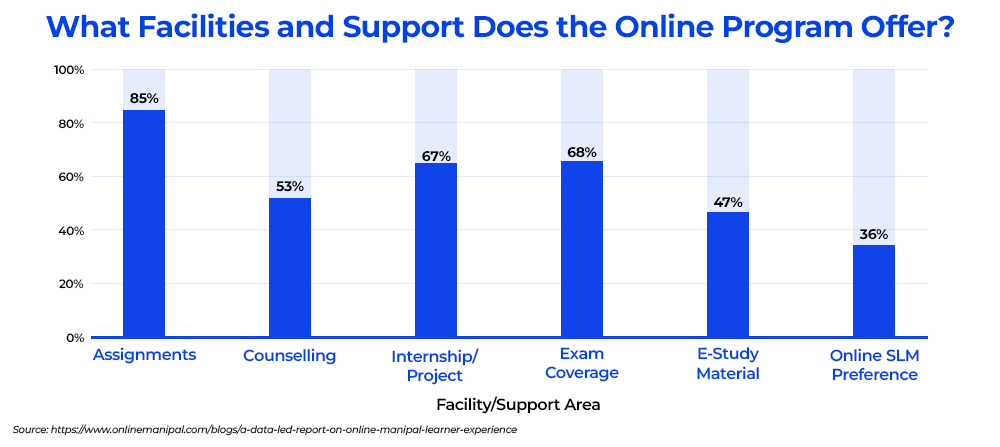
Technical support can help students with problems related to login, online classes, study portals, assignments, or other digital services. Students should check whether the programme provides access to a digital library, library software, practical sessions, recorded classes, faculty support, and internship opportunities.
The facilities provided by one university may not be available in another. Therefore, students should carefully check the official programme details before admission and understand what academic and technical support is included in the fee.
Is an Online Bachelor of Library and Information Science Worth It?
An Online Bachelor of Library and Information Science can be considered by students who want professional education in library and information services. The programme focuses on subjects that are directly connected with the management and organisation of information resources.
Students can learn about classification, cataloguing, library management, information sources, reference services, ICT applications, digital resources, and information retrieval. These areas are relevant to the changing role of libraries and information centres.
The online format may be useful for students who need flexibility because they can access learning materials through digital platforms. However, students should check whether practical classes, internships, or fieldwork are required because these activities may form part of a BLIS programme. The suitability of the programme depends on the student's career plans, previous qualification, budget, preferred learning method, and interest in library and information services.
Students should check university recognition, programme eligibility, duration, syllabus, practical requirements, examination process, total fee, and student support before admission.
Career Options After an Online BLIS
An Online BLIS can help students explore career opportunities in libraries, information centres, documentation services, digital information services, and related areas. The exact job opportunities depend on the organisation, eligibility requirements, recruitment rules, experience, and the student's skills.
|
Job Role |
Work Area |
|
Librarian |
Libraries |
|
Library Assistant |
Libraries |
|
Information Assistant |
Information Centres |
|
Library Information Assistant |
Libraries / Institutions |
|
Documentation Assistant |
Documentation Centres |
|
Digital Library Assistant |
Digital Libraries |
|
Cataloguing Assistant |
Libraries / Information Centres |
|
Information Services Assistant |
Information Services |
|
Records Assistant |
Records Management |
|
Library Technician |
Library Operations |
Students can explore opportunities in educational institutions, public or private libraries, research organisations, documentation centres, information centres, museums, archives, and other organisations where information resources are managed. Some positions may have specific educational or recruitment requirements. Government or institutional librarian posts, for example, may have additional qualification, experience, examination, or recruitment conditions.
Students interested in digital libraries can also develop skills in library automation, databases, digital resources, information retrieval, and basic information technology. Practical experience can also be useful. Students can consider internships, projects, library software practice, and other activities that help them understand actual library operations. Students should check the eligibility criteria of individual job vacancies before applying because an online BLIS degree alone may not meet every employer's requirements.
What Is the Career Scope After an Online BLIS?
The career scope after an Online BLIS is mainly connected with library services, information management, documentation, and digital information resources. Graduates can explore different roles depending on their qualifications, skills, experience, and the requirements of the organisation. Traditional library work can include maintaining collections, helping users find information, managing circulation, organising resources, and maintaining library records. Students who develop classification and cataloguing skills can explore work related to organising and maintaining information resources.
The use of technology has also changed library services. Digital catalogues, electronic resources, databases, library automation, digital repositories, and online information services are now part of many modern information environments. BLIS curricula can therefore include ICT, information retrieval, digital resources, and library automation-related learning.
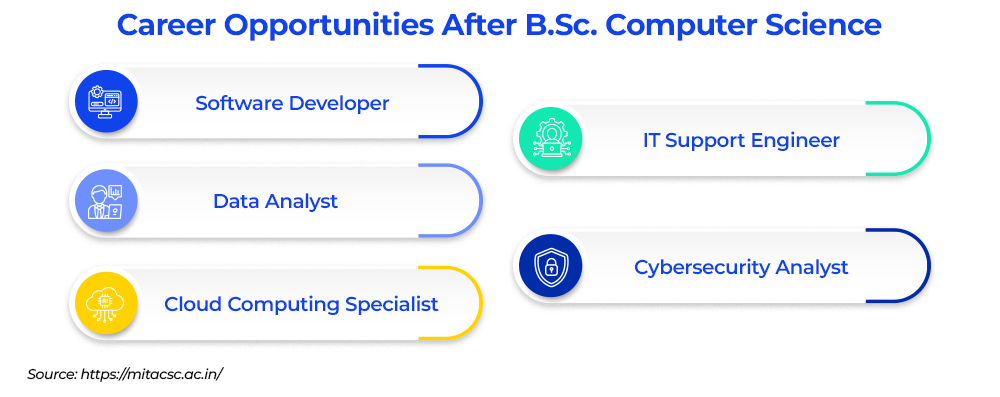
Students can also develop additional skills in computer applications, database searching, digital archiving, information management, and library software. After completing BLIS, students may also consider higher education such as a Master of Library and Information Science or other related programmes, depending on the eligibility criteria of the selected institution.
Career growth can depend on the organisation, recruitment process, experience, additional qualifications, and technical skills. Students should therefore check specific job requirements rather than assuming that every BLIS graduate will qualify for every library-related position.
Can I Get Coupons for an Online BLIS?
Students may find scholarships, discounts, early admission offers, or other fee benefits while applying for an Online BLIS programme. The availability of these offers depends on the university, admission period, eligibility criteria, and payment terms. Students should check the final amount they need to pay after applying a discount. They should not look only at the percentage of discount because the offer may apply to a particular semester, payment, or component of the programme fee. Before using a coupon or admission offer, students should check the validity period, eligibility requirements, minimum payment condition, and final payable amount.
Students should also check whether registration charges, examination fees, practical fees, study materials, project charges, or other expenses are included in the discounted amount. Students can compare the complete programme fee, eligibility, duration, syllabus, practical requirements, university recognition, student support, and career-related facilities before choosing a programme. A discount should be treated as one part of the fee comparison. Students should first understand the complete programme structure and total cost. Online admission platforms may also provide information about available offers. Students should verify the current terms of any coupon or discount before making payment.
Admissions Closing soon
Compare & Enroll NOW
- To avoid paying 25% Late Fees on all the online courses
- To secure a seat in your dream university
- To avail of some amazing Early Benefits
Will AI Take My Job?
9 out of 10 Profiles Needed Attention! Access Yours!
Thousands of Users Already Accessed Their AI Career Threat Report!
Real students. Real outcomes.
Over 1.25 Lakh students found their right university through College Vidya.

Kabir Ali
All I cared about was whether employers would take the degree seriously. I checked the UGC entitlement for every university on the list before I applied anywhere.
Uttaranchal University Online

Aditya Dogra
Cost decided this for me. Seeing the full fee and the EMI options before speaking to anyone meant I could plan the three years properly, instead of finding out later.
Shoolini University

Hritik Sharma
I work full time and had been putting this off. I needed a BBA made for that, not one that assumes you are free on a weekday afternoon.
Lovely Professional University Online

Khushi Choudhary
This is my first degree, and I could not tell a good university from a good advertisement. The comparison was simple, and nobody pushed me. I chose it myself.
Chandigarh University Online

Mohammad Ahsan Raza
I want to work in finance one day. So the question was not which B.Com is best, but which one takes me there. College Vidya helped me work that out.
Sikkim Manipal University Online

Deepshikha Jadaun
My family was not sure an online degree counts for anything. Having the approval details to show them settled it. That conversation was harder than picking the university.
Manipal University Jaipur Online

 FAQ's
FAQ's
Let's clear up some doubts
In many universities, students need to complete a bachelor's degree from a recognised university. The minimum marks and other requirements can vary.
An Online Bachelor of Library and Information Science, or BLIS, is a professional programme that teaches students about library management, information organisation, cataloguing, classification, information services, and library technology.
In many programmes, BLIS requires a bachelor's degree first. Students should check the eligibility criteria of the specific university before applying.
Many BLIS programmes are structured as one-year courses divided into two semesters, but the duration can vary between universities.
Subjects may include Library and Information Society, Classification, Cataloguing, Library Management, Information Sources and Services, ICT, Information Literacy, and practical work.
BLIS is a bachelor's-level professional programme, but many institutions require students to already hold a bachelor's degree for admission.
Some universities offer library and information science programmes through online or distance learning modes. Students should verify the programme's current mode and recognition before admission.
Many BLIS programmes include practical work such as classification, cataloguing, ICT applications, projects, fieldwork, or internships. The exact requirements depend on the university.
The fee varies between universities. Students should check the complete programme fee along with examination, practical, registration, and other applicable charges.
The online format can provide flexibility for working students, but students still need to complete assignments, examinations, practical activities, or internships according to the programme requirements.
Graduates can explore roles such as Librarian, Library Assistant, Information Assistant, Documentation Assistant, Digital Library Assistant, and other library or information-related positions.
Students can explore digital library-related roles and can also develop additional skills in library automation, databases, digital resources, and information technology.
Students can consider a Master of Library and Information Science after BLIS, subject to the eligibility requirements of the selected institution.
No. Government and institutional jobs have their own recruitment rules, eligibility criteria, examinations, experience requirements, and selection processes.
It can be relevant for students interested in library and information services. However, students should check the qualification requirements for the specific librarian positions they want to apply for.
Checklist I Wish I Had Before Enrolling
College Vidya Smart Choice Checklist
A checklist to help you reach your goal!
Compare Universities
vs
Add To Compare
vs
Add To Compare
vs
Add To Compare

Get the right guidance with us
Download the app


Online & Distance MBA
Online & Distance Best University for
Online & Distance UG Courses
Online & Distance PG Courses
General



College Vidya is an independent education guidance platform designed to help learners compare, evaluate, and make informed decisions about accredited online and distance programs. We do not directly conduct academic programs. All admissions, curriculum structures, fee details, approvals, scholarships, and placement policies are managed and executed by the respective universities or institutions. We aim to keep information accurate and updated. For complete and official details, learners are encouraged to connect with experts from College Vidya. Our role is to simplify research and provide structured guidance throughout the decision-making process.
© 2026 College Vidya, Inc. All Rights Reserved
Built with Made in India